

Access to respiratory medications is often the difference between stable daily functioning and repeated emergency flare-ups for people living with chronic lung conditions such as asthma, COPD, pulmonary fibrosis, and other long-term respiratory diseases. Yet the cost of inhalers, nebulized treatments, and maintenance medications continues to rise, leaving many patients struggling to stay consistent with treatment. This roadmap breaks down how to navigate respiratory medication assistance step by step, so patients and caregivers can find sustainable, affordable access without gaps in care.
Understanding Why Respiratory Medication Access Becomes Difficult
Respiratory medications are typically long-term prescriptions, which means costs accumulate monthly and often indefinitely. Many patients require multiple medications, including rescue inhalers, daily controller inhalers, corticosteroids, or nebulizer solutions. Insurance coverage gaps, high deductibles, prior authorization delays, and non-formulary drugs often increase out-of-pocket expenses.
Another challenge is inconsistency in access. Even short interruptions in respiratory medication can worsen symptoms, increase hospital visits, and lead to long-term lung function decline. Because of this, affordability is not just a financial issue but a clinical stability issue.
Step 1: Identify the Type of Assistance You May Qualify For
Before applying anywhere, it helps to understand the major categories of assistance available:
- Manufacturer Patient Assistance Programs (PAPs)
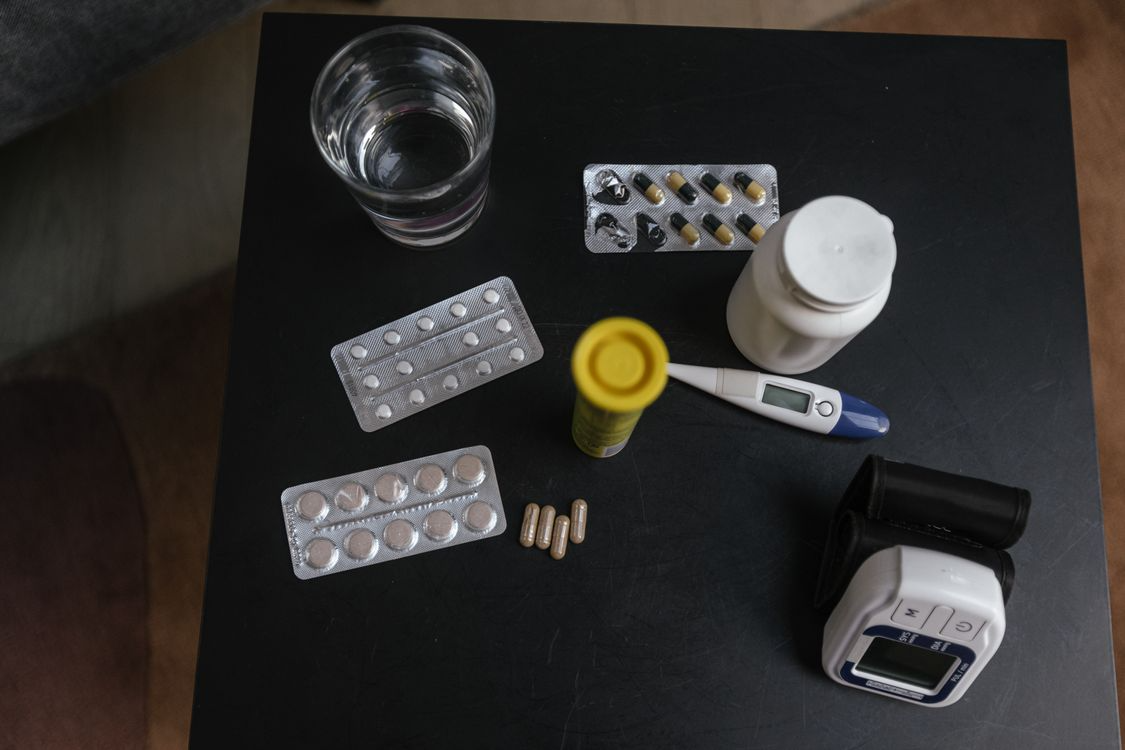
Many pharmaceutical companies offer direct assistance programs that provide free or discounted medications to eligible patients. These programs usually support individuals who are uninsured or underinsured, or who meet specific income thresholds. Applications often require prescription details, proof of income, and physician verification. - Copay Assistance Programs
For patients with commercial insurance, copay cards can significantly reduce monthly out-of-pocket costs. These are typically offered for brand-name inhalers and maintenance medications. While they do not replace insurance, they can bridge affordability gaps for ongoing treatment. - Nonprofit and Disease-Specific Foundations
Organizations focused on respiratory health sometimes provide grants or medication support for patients with chronic lung conditions. These programs may also help with related costs such as diagnostic tests or clinic visits, depending on funding availability. - State and Public Health Programs
Depending on eligibility, some patients may qualify for Medicaid or local health assistance programsthat cover respiratory medications fully or partially. These programs vary by region but often serve as the most stable long-term coverage option for eligible individuals.
Step 2: Gather the Right Documentation Early
One of the most common delays in receiving medication assistance is incomplete paperwork. Preparing documents in advance can speed up approval significantly.
Patients are usually asked for:
- Recent prescription details from a licensed provider
- Proof of income (pay stubs, tax returns, or benefit letters)
- Insurance information (if applicable)
- Identification documents
- A signed physician portion of the application
Having these ready before starting applications helps avoid back-and-forth delays, especially for time-sensitive medications like rescue inhalers or steroid treatments.
Step 3: Work With Healthcare Providers as Active Partners
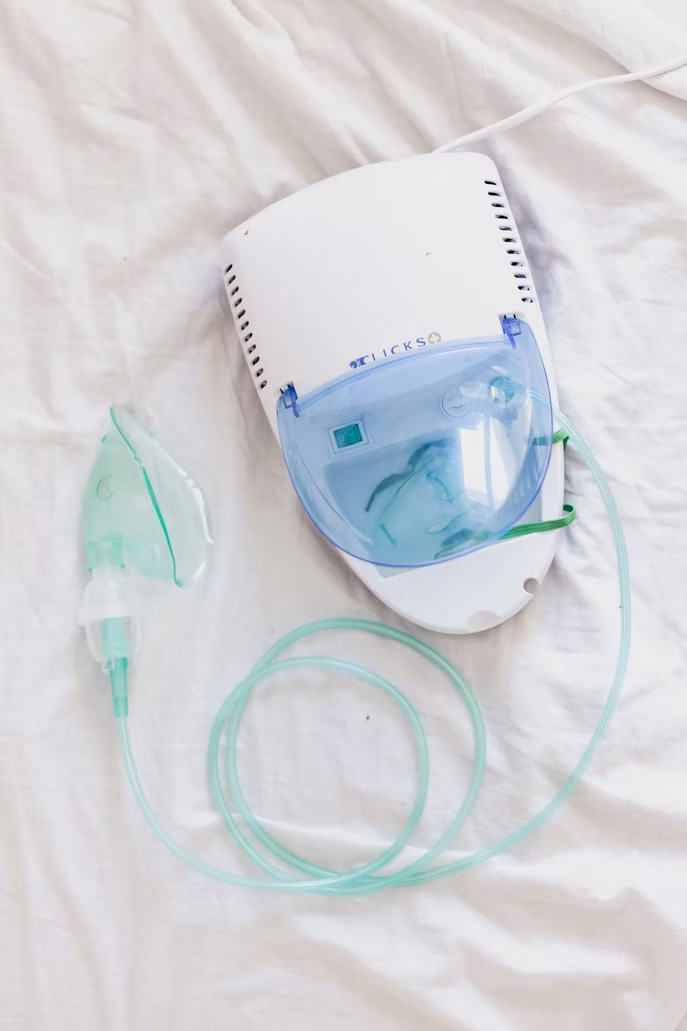
Physicians and respiratory therapists play a central role in accessing prescription drug assistance programs. Many applications require provider certification, but beyond paperwork, clinicians can also help identify therapeutic alternatives that are more affordable.
For example, a provider may switch a patient from a high-cost inhaler to a therapeutically equivalent option covered under assistance programs or insurance formularies. They can also flag urgency so applications are prioritized when clinical stability is at risk.
Step 4: Apply to Multiple Programs Strategically
Patients are often not limited to a single source of support. In fact, combining resources is one of the most effective strategies for long-term affordability.
A structured approach may look like:
- Apply to manufacturer assistance for primary maintenance medication
- Use copay assistance for backup prescriptions or brand-name inhalers
- Enroll in nonprofit programs for supplemental financial relief
- Explore insurance re-evaluation during open enrollment periods
This layered approach reduces the risk of medication interruptions and spreads financial support across multiple channels.
Step 5: Build a System for Ongoing Access
Short-term assistance solves immediate problems, but chronic respiratory conditions require consistent long-term planning. Patients should consider setting up a repeat system that includes:
- Calendar reminders for prescription refills
- Tracking expiration dates of assistance programs
- Keeping copies of all submitted applications
- Maintaining updated income and insurance records
- Regular check-ins with healthcare providers about medication affordability
Some patients also benefit from designating a caregiver or family member to help manage renewals and paperwork, especially when symptoms fluctuate.
Step 6: Prepare for Changes in Coverage or Eligibility
Financial assistance programs often require annual reapplication. Income changes, insurance shifts, or policy updates can affect eligibility without warning.
To stay ahead of disruptions:
- Reconfirm eligibility every 6–12 months
- Reapply before current coverage expires
- Ask providers for early refills when policy transitions are expected
- Monitor insurance formulary updates during renewal periods
Being proactive reduces the risk of sudden medication gaps, which can be especially dangerous in respiratory conditions.
Support for Navigating Respiratory Medication Access
The Rx Solutions helps patients and families simplify the process of accessing affordable respiratory medications by guiding them through available COPD Medication assistance programs, eligibility requirements, and application steps. Their team supports individuals in identifying cost-saving opportunities, organizing documentation, and connecting with relevant financial aid resources so that treatment continuity is not disrupted. Through a structured and patient-focused approach, The Rx Solutions works to make long-term respiratory care more accessible and manageable for those who need it most.
Contact them today to explore programs to help pay for medications for you or your loved one.