
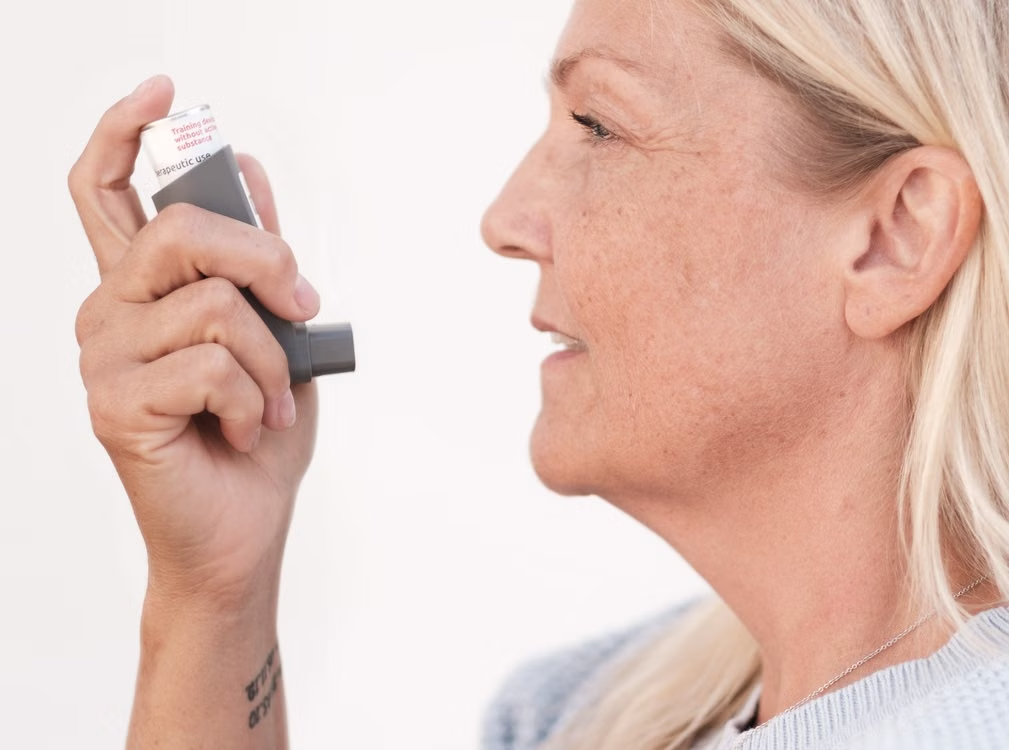
Receiving a diagnosis of COPD or asthma often brings many questions, especially when prescription costs quickly become part of the conversation. Inhalers and other respiratory medications are frequently essential for controlling symptoms, yet many patients struggle with affordability. Fortunately, respiratory medication assistance may help eligible individuals reduce medication expenses and maintain consistent access to treatment. Understanding each stage of the process can make obtaining financial support much more manageable.
Stage 1: Receiving the Diagnosis
After diagnosing COPD or asthma, a healthcare provider typically recommends medications based on symptom severity, medical history, and treatment goals. Some patients begin with rescue inhalers, while others require maintenance medications used daily to improve long-term symptom control.
At this stage, it is helpful to ask questions about medication options, expected costs, insurance coverage, and available financial assistance. Understanding these topics early allows patients to prepare before unexpected prescription expenses arise. Keeping notes during appointments also helps patients remember treatment instructions and important information discussed with their healthcare provider.
Stage 2: Managing the First Prescription Cost
Many patients experience surprise when filling their first prescription. Brand-name inhalers and specialty respiratory medications can result in high out-of-pocket costs, particularly for uninsured individuals or patients enrolled in high-deductible insurance plans.
Instead of delaying treatment, ask your healthcare provider or pharmacist whether financial assistance options are available. Reviewing these resources early may prevent interruptions in medication use and reduce unnecessary financial pressure. Patients prescribed ProAir for asthma may also benefit from reviewing eligibility for ProAir prescription assistance, depending on their individual financial situation and program requirements.

Stage 3: Learn About Available Assistance Programs
Several types of financial support may help lower medication costs depending on your circumstances.
A patient assistance program often provides eligible patients with brand-name medications at reduced or no cost. Many pharmaceutical manufacturers sponsor these programs to improve access for qualifying individuals.
Some patients managing chronic respiratory conditions may also qualify for a COPD medication assistance program, depending on the prescribed medication and program eligibility requirements.
Patients with commercial insurance may have additional savings opportunities through manufacturer copay programs, while uninsured individuals frequently receive greater assistance through dedicated medication support programs.
Stage 4: Gather Required Information
Before completing an application, collect the documents commonly requested during enrollment.
These often include:
- Government-issued identification
- Proof of household income
- Insurance information, if applicable
- Current prescription information
- Healthcare provider details
- Pharmacy information
Having documents organized before beginning the application can reduce delays and improve the overall experience. Keeping printed and electronic copies also makes future renewals much easier. Creating a simple checklist allows you to confirm every required document has been included before submitting your paperwork.
Stage 5: Complete the Enrollment Process
Applications typically require information from both the patient and the prescribing healthcare provider. Completing every section carefully helps reduce processing delays caused by missing information or incomplete documentation.
Review each form before submission to confirm names, prescription details, signatures, and financial information are accurate. If additional documents are requested later, responding promptly helps maintain application progress.
Many applicants find it helpful to keep a checklist of submitted forms, supporting documents, and important dates throughout the enrollment process. Saving copies of emails, approval notices, and application confirmations can also simplify future communication if questions arise.
Stage 6: Continue Treatment While Waiting
Application reviews often require several weeks depending on the organization administering the assistance program.
While waiting, continue communicating with your healthcare provider regarding medication supplies. If prescriptions are running low before approval, your provider may discuss temporary alternatives or additional resources that help maintain treatment until enrollment decisions are completed.
Remaining organized during this stage can reduce unnecessary stress while waiting for updates. Responding promptly to requests for additional information may also help avoid unnecessary processing delays.
Stage 7: Prepare for Annual Renewals
Receiving approval is only part of maintaining medication assistance. Many assistance programs require annual renewals that include updated income verification, insurance information, and current prescription records.

Keeping documents organized throughout the year simplifies future renewals. Setting reminders several weeks before expiration dates also helps prevent interruptions in medication access caused by missed deadlines.
Reviewing your records periodically allows you to update contact information, insurance details, and healthcare provider information before renewal paperwork becomes due. Staying prepared throughout the year often makes each renewal faster and less stressful.
Stay Involved in Your Treatment
Financial assistance is only one part of successful long-term respiratory care. Continue attending scheduled healthcare appointments, taking medications exactly as prescribed, and discussing any side effects or concerns with your healthcare provider.
Keeping an updated medication list, refill schedule, and healthcare contacts together can simplify future appointments and make communication easier if treatment changes become necessary.
Patients should also notify assistance programs if insurance coverage or household income changes significantly, since eligibility requirements may be affected by these updates. Maintaining open communication with healthcare providers helps ensure your treatment plan continues meeting your medical needs.
Building Confidence Throughout the Process
Learning about medication assistance may initially feel overwhelming, but understanding each step helps patients approach the process with greater confidence. Gathering documents early, communicating with healthcare providers, submitting complete applications, and preparing for renewals all contribute to maintaining uninterrupted access to respiratory medications.
If you need guidance with prescription medication assistance programs, assistance paying for medications, or financial assistance programs, reach out to The Rx Solution for continued enrollment support and assistance throughout every stage of the application and renewal process.