

The cost of an inhaler can become a real concern when the medication is something you rely on regularly. For people managing asthma or other respiratory conditions, delaying a refill or stretching doses to make a prescription last longer can create an unnecessary health risk.
That is where respiratory medication assistance may help. Assistance programs can have different eligibility rules, application requirements, and review processes, so knowing what to prepare before applying can make the process much easier. If you use ProAir or Advair, the following steps can help you understand what to expect.
Step 1: Identify the Medication You Need Assistance With
Start by confirming the exact medication prescribed to you, including its name, strength, dosage form, and prescribing physician.
ProAir HFA contains albuterol sulfate and is a short-acting beta2-adrenergic agonist used to treat or prevent bronchospasm. Advair contains fluticasone propionate and salmeterol. Advair Diskus combines an inhaled corticosteroid with a long-acting beta2-adrenergic agonist and is used for asthma and, in certain forms, COPD. Patients managing COPD may also want to ask their prescriber whether a COPD medication assistance program applies to their specific inhaler.
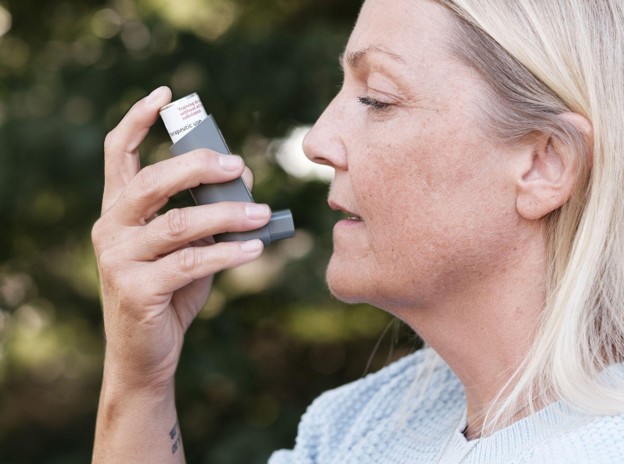
Because these medications have different uses and formulations, an assistance application generally needs to match the prescription being requested. Do not substitute, change, or stop a respiratory medication simply because another option may cost less. Discuss alternatives with the prescribing healthcare professional.
Step 2: Check Whether You May Qualify
Medication assistance programs can consider several factors, including income, insurance status, household circumstances, and the specific medication prescribed. Requirements vary by program, so avoid assuming that having insurance automatically disqualifies you.
The Agency for Healthcare Research and Quality (AHRQ) notes that medication assistance resources may include pharmaceutical assistance programs, Medicare programs, state assistance programs, and other resources.
Step 3: Gather Your Documentation
Having your paperwork ready can prevent avoidable delays. Depending on the program, you may be asked for documents such as:
- A current prescription or prescription information
- Prescriber or healthcare provider information
- Insurance information, if applicable
- Proof of income
- Household information
- Identification
- Documentation showing your insurance or coverage status
Do not provide documents that a program does not request. If the application instructions specify particular forms or dates for financial documentation, follow those requirements carefully.
Step 4: Ask Your Prescriber to Complete Their Portion
Your prescriber may need to verify your prescription or provide clinical information as part of the application. This is especially important when the program requires confirmation that the medication is medically appropriate for your treatment.
Contact the healthcare provider’s office early rather than waiting until the final stage of the application. Ask whether they have received the required form and whether anything else is needed from you.
Keep in mind that medication assistance does not replace medical care. Your prescriber remains responsible for determining which medication and dosage are appropriate for your condition.
Step 5: Submit the Application Carefully
Before submitting your application, review every section. Check that your name, contact information, prescription details, insurance information, and financial documentation are accurate and consistent.
If the application allows supporting documents to be uploaded, make sure scans or photographs are readable. Keep a copy of everything you submit, along with confirmation numbers, submission dates, or other records provided by the program.
This matters because the review process may require clarification if information is incomplete or inconsistent.
Step 6: Understand the Review Process
Once an application is submitted, the assistance program reviews the information against its eligibility requirements. The program may contact you or your prescriber if additional information is necessary.
There is no universal approval timeline. Processing times depend on the particular program and whether the application is complete.
Do not assume that submitting an application means assistance has already been approved. Until you receive confirmation, continue following your existing prescription and healthcare provider’s instructions.
Step 7: Know What Happens After a Decision
If you are approved, carefully review the approval notice. It should explain what assistance is available, how you receive the medication or savings, and whether the assistance has an expiration date or requires renewal.

If you are denied, read the reason carefully. Some programs allow applicants to provide additional information or appeal a decision. You may also be able to explore another assistance option.
Why Applying for Assistance Can Matter
The financial side of asthma treatment is not simply a budgeting issue. Research has repeatedly connected medication costs with difficulties maintaining treatment.
Removing out-of-pocket costs can increase the use of asthma controller medications, suggesting that financial barriers can influence how consistently patients obtain treatment.
Medication costs should not force someone to delay refills, skip doses, or choose between prescriptions and everyday necessities. For patients who are uninsured, underinsured, or struggling with medication costs, prescription assistance programs can offer a practical way to maintain access to prescribed treatment.
That is where The Rx Solution can help. Our respiratory medication assistance services help qualifying patients identify appropriate assistance programs and navigate the application process. Our team coordinates with pharmaceutical companies and healthcare providers, assists with applications and paperwork, and can also help manage refills after approval.
If medication costs are making your treatment difficult to maintain, we can help you determine whether you may qualify and guide you through the next steps.
Contact us today to explore available respiratory medication assistance and make prescription costs easier to manage.