

Prescription prices can change dramatically depending on how you pay for the same medication. A brand-name drug might carry a substantial retail price, yet a patient could pay far less through a different savings option. The catch is that patient assistance programs, pharmacy discount cards, and manufacturer copay coupons are not interchangeable. Each targets a different financial situation, insurance status, and type of prescription.
With prescription drug affordability remaining a major concern in the U.S., understanding those differences can make a meaningful difference at the pharmacy counter. This blog aims to answer which option actually saves the most.
Patient Assistance Programs: Often the Biggest Savings for Eligible Patients
A patient assistance program (PAP) is generally designed to help people who cannot reasonably afford a prescribed medication. Pharmaceutical manufacturers, nonprofit organizations, and other organizations may offer programs that provide medications at no cost or substantially reduced cost to qualifying patients.
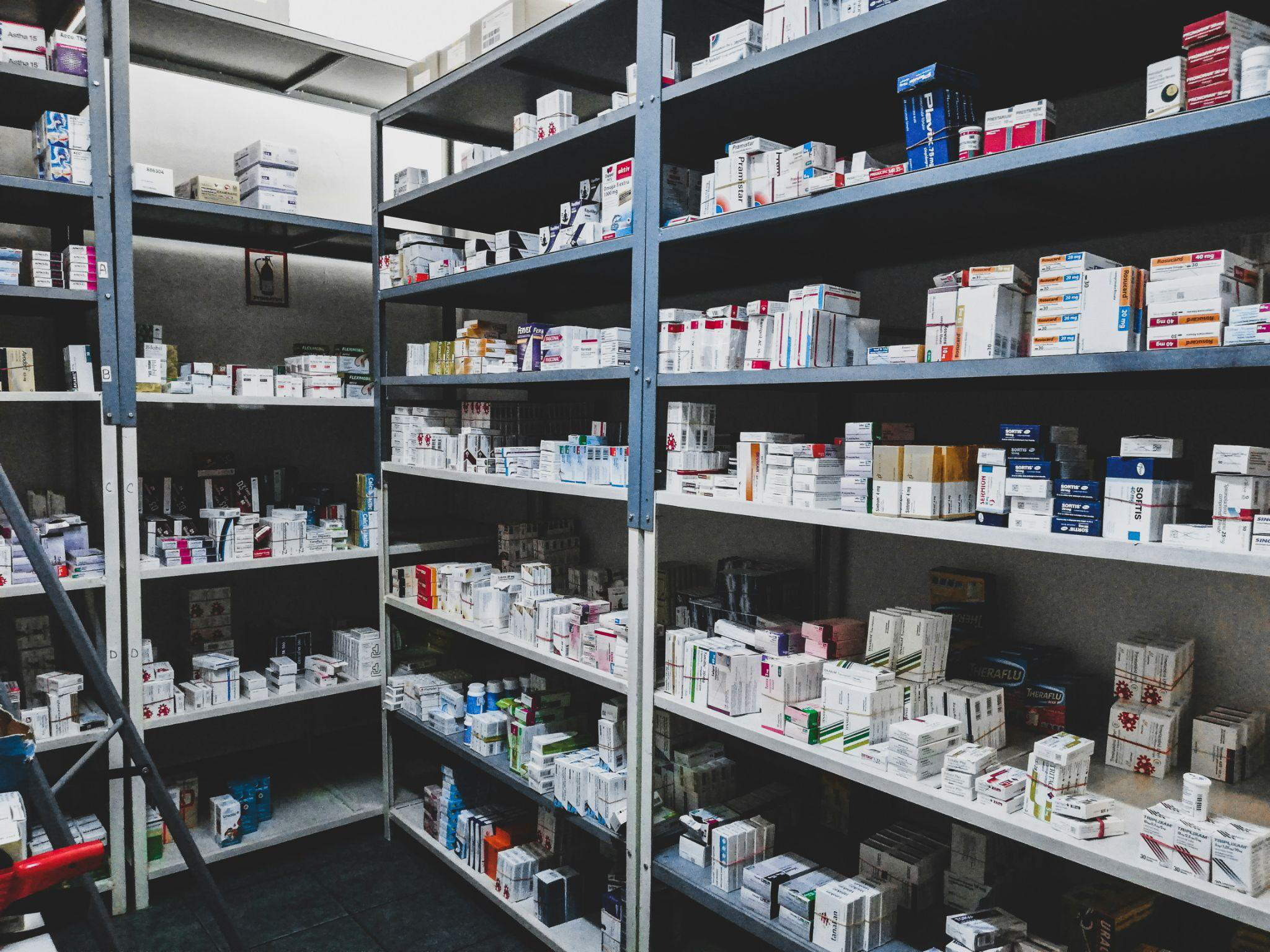
For someone uninsured, underinsured, or with limited income, a PAP can potentially produce greater savings than a retail discount card because the assistance may cover much more than a percentage off the pharmacy’s cash price.
Research supports the potential impact; one study highlighted that medications obtained through patient assistance programs produced average savings of $617.36 per medication, compared with $62.31 for medications obtained through a 340B program.
Eligibility varies considerably. Programs may consider household income, insurance status, residency, prescription requirements, and the specific medication, which demonstrates why patients cannot assume that every assistance program is intended for uninsured individuals.
Discount Cards: Convenient, but Not Always the Cheapest
Prescription discount cards work differently. Rather than providing the medication through an assistance program, they can offer a lower negotiated cash price at participating pharmacies.
They may be useful for uninsured or underinsured patients comparing the cash price of a medication. However, the discount is not necessarily available on every prescription, and the lowest price can vary by pharmacy, medication, dosage, and location.
The Federal Trade Commission also warns consumers to be cautious about prescription discount-card scams and misleading claims. Legitimate low-cost prescription resources exist, but consumers should not assume that every card or offer represents genuine savings.
A discount card may therefore be the easiest option to try first, but “easy” does not necessarily mean “best.”
Manufacturer Copay Coupons: Strong Savings for Certain Insured Patients
Manufacturer copay coupons are generally aimed at people with qualifying commercial or private insurance who have an eligible brand-name prescription. Instead of replacing insurance, the coupon typically reduces the patient’s share of the cost.
This makes them especially useful when a brand-name medication is covered by insurance but has a high copay or coinsurance amount. Copayment cards can lower out-of-pocket costs for privately insured patients taking brand-name medications.

However, eligibility restrictions matter. Manufacturer coupons may exclude people enrolled in government insurance programs, and individual programs can have their own limits, exclusions, annual maximums, and enrollment requirements.
So, Which Option Saves You More?
There is no universal winner because the best option depends on your financial and insurance circumstances. If you are uninsured, underinsured, or have a limited income, a prescription assistance program may be the most valuable option to investigate because qualifying programs can sometimes provide medications at little or no cost.
For someone with private insurance who faces a high copay for an eligible brand-name medication, a manufacturer copay coupon may offer greater savings. Meanwhile, a prescription discount card can be useful for uninsured patients who are looking for a lower cash price at the pharmacy.
Medication savings are not one-size-fits-all. The right program can depend on income, insurance coverage, the medication prescribed, and the requirements of the assistance provider.
That is where The Rx Solution can help. We connect eligible patients with prescription assistance programs, help identify programs that fit their needs, assist with applications, and work with doctors’ offices throughout the process.
See whether you may qualify for prescription savings and find an assistance option that fits your needs; contact us today.